










Transforming Oil & Gas: How Qlik, Snowflake, and AWS Are Powering the Future with Generative AI and Unified Data

Co-Authors: Sathisan Vannadil, Senior Partner Management SA, Data & AI, WW Tech Partners, AWS and Randy Pettus, Senior Partner Solution Engineer, Snowflake.
In a special session at Qlik Connect this past May in Orlando, attendees got to hear from three industry leaders - Dave Freriks from Qlik, Randy Pettus from Snowflake, and Sathisan Vannadil from AWS - all coming together to detail a cutting-edge integration of generative AI across the three different platforms. Their mission: help oil and gas companies harness the power of advanced data solutions to manage complexity, drive efficiency, and accelerate decision-making.
The focus was clear - how to leverage the joint capabilities of these platforms to process vast, siloed data environments and create actionable intelligence across the oil and gas value chain. From exploration to refining to retail, the session revealed how generative AI - paired with clean, integrated data - can enable better diagnostics, proactive maintenance, and informed decision-making across every layer of operations.
Understanding the Challenge: Data Complexity in Oil & Gas
Oil and gas organizations manage data that spans the full production lifecycle: exploration, drilling, extraction, refining, and distribution. Each stage generates massive volumes of structured and unstructured data from hundreds of disparate SAP systems, IoT devices, and operational documents.
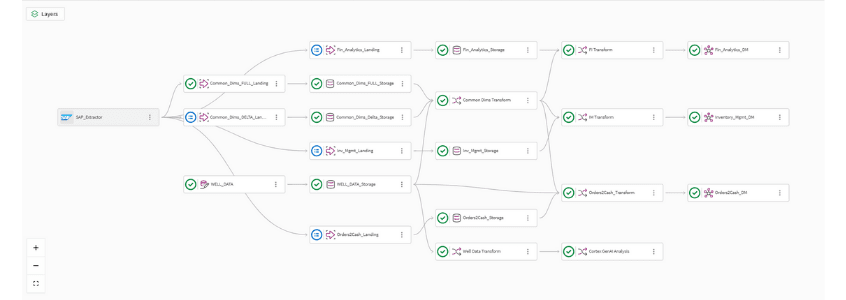
Fig:1 QCDI process flow for the SAP accelerators
Smarter Diagnostics with Generative AI and Qlik Answers
Using Qlik Answers, users can upload maintenance documents and interact through natural-language queries to diagnose equipment issues. Instead of manually searching through extensive technical documentation, generative AI provides immediate responses, highlighting potential problems and recommended actions.
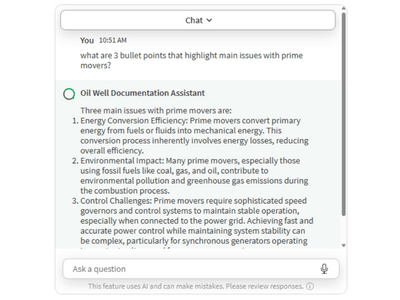
Fig 2: Qlik Answers: Decision Intelligence with Generative AI
This not only improves productivity but also captures institutional knowledge within AI models, continuously enhancing the speed and accuracy of diagnostics.
Qlik, Snowflake, and AWS: A Unified Data Ecosystem
The combined capabilities of Qlik, Snowflake, and AWS provide a powerful foundation to unify fragmented data landscapes. Powered by AWS’s vast computing, storage and AI/ML capabilities, Qlik and Snowflake work seamlessly together to extract, transform, and integrate SAP data, combining it with IoT feeds, operational logs, and other key data streams in Snowflake’s environment.
This enables companies to tackle complex challenges like:
Seamless data integration and interoperability
Scalable AI-driven analytics
Strong governance and data quality controls
Real-time decision-making
Qlik creates an accessible data layer across enterprise systems. Snowflake provides a scalable environment for storing and analyzing integrated SAP, IoT, and operational data. AWS powers this ecosystem with high-performance computing, storage, and AI/ML services—ensuring the entire pipeline is secure, fast, and intelligent.
Modern Architecture: Lakehouse and Cortex AI
The adoption of a Lakehouse architecture—leveraging Apache Iceberg—enables organizations to blend the flexibility of data lakes with the reliability of traditional data warehouses. This structure supports both real-time AI applications and standard business intelligence workflows.
Snowflake’s Cortex AI adds a serverless, scalable layer for running large language models (LLMs), ideal for use cases such as summarization, classification, and anomaly detection. This allows enterprises to process millions of records quickly and securely within Snowflake’s environment.
Simplifying Data Operations: Qlik’s Managed Lakehouse Service
Qlik’s Managed Lakehouse Service, powered by technology from Qlik’s recent acquisition of Upsolver - an independent, end-to-end platform that allows users to ingest, store, process, transform, govern, and optimize their data in Iceberg-based Lakehouses - and running on AWS, seamlessly connects with Snowflake and supports a wide range of data sources, including SAP, IoT, cloud apps, and legacy systems.

Fig 3: Qlik Open Lakehouse: AI-Optimized Open Lakehouse Built on Apache Iceberg
This service automates tasks like data compaction and governance enforcement, ensuring that high-quality, authoritative data feeds into generative AI applications—improving output reliability and minimizing IT overhead.
From Insight to Action: Anomaly Detection and Maintenance Automation
A real-world demonstration showcased how sensor data from oil wells could be analyzed using generative AI to detect anomalies, surface issues, and even initiate automated workflows such as generating SAP work orders. This closed-loop system bridges insight and action—driving operational efficiency and reducing downtime.
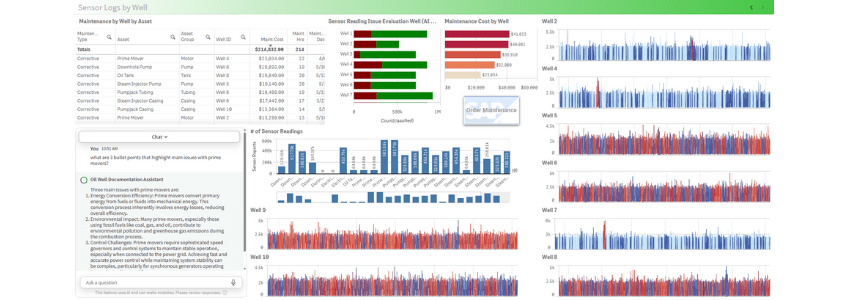
Fig 4: Analyzing Sensor Logs with Qlik Answers
Furthermore, by integrating Cortex AI and Qlik Answers with transactional data in Snowflake, users can now query structured data conversationally, generating fast insights for business reporting and operational decision-making.
Conclusion: Unlocking the Future of Oil & Gas Analytics
The integration of Qlik, Snowflake, and AWS is redefining how oil and gas companies manage data and apply AI. Together, they offer a blueprint for transforming complex data environments into intelligent systems that support automation, resilience, and agility.
As the energy sector evolves under the pressure of efficiency, cost, and decarbonization, this partnership provides a scalable path forward. With generative AI at the center—and backed by secure, high-performance data platforms—the potential for innovation is limitless.
To learn more about how Qlik and AWS are streamlining data modernization and AI readiness in the energy industry, view this video from the AWS Energy Symposium 2025, where Qlik and AWS share how these solutions optimize operations through real-time data analytics.
Ready to get started on your data modernization journey? Visit Qlik.com to explore solutions or begin a free trial of Qlik Talend Cloud to experience the impact firsthand.