*Based on the list of 2025 Fortune 500® companies with recurring revenue to Qlik during the 12-month period ending June, 2025. Fortune 500 is a registered trademark of Fortune Media IP Limited. Qlik is not affiliated with or endorsed by Fortune.
QLIK CLOUD ANALYTICS®
Inform Every Decision
with Agentic Analytics
Enable everyone in your organization to make data-driven decisions and take effective action. Save time, increase adoption, and see faster time to value.
Interactive Analytics

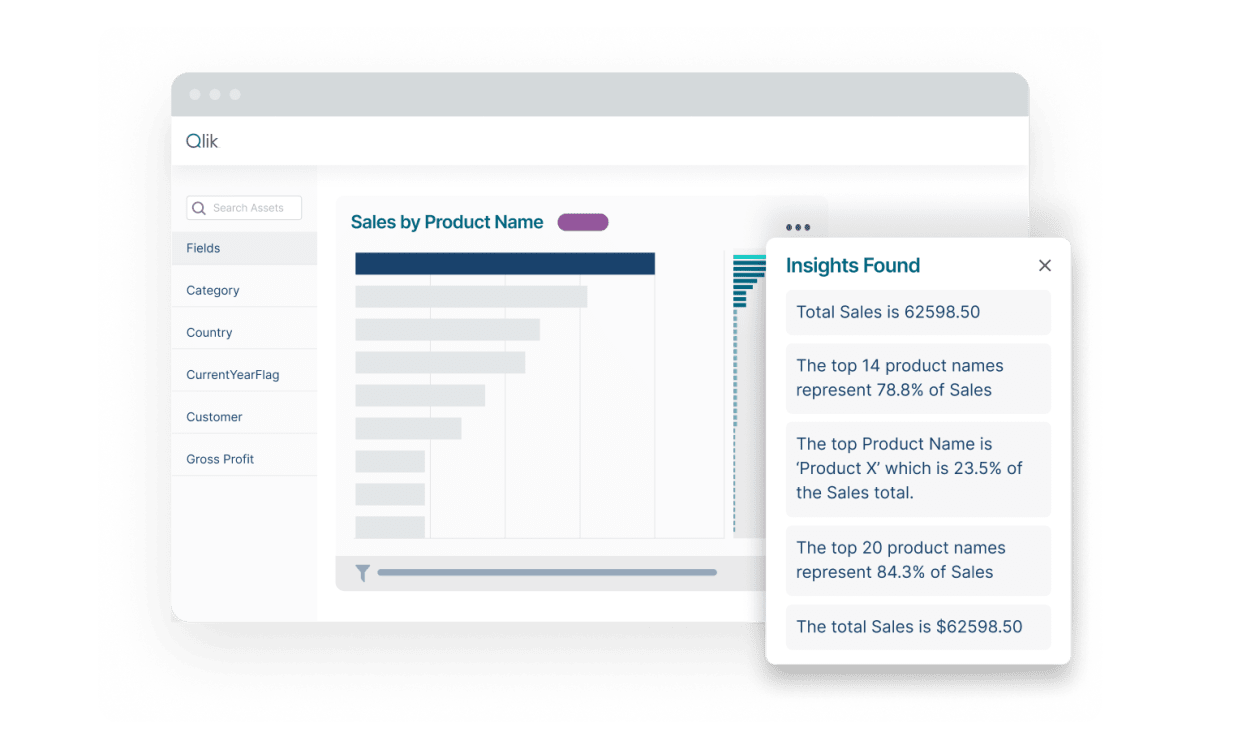
Gen AI Insights
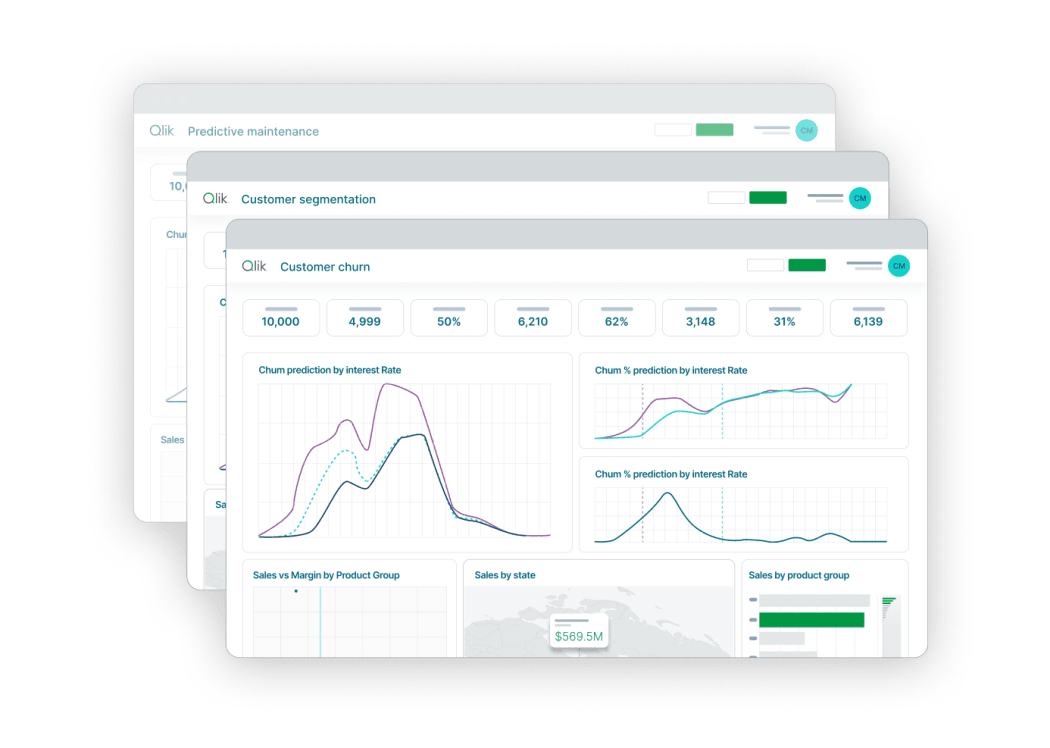
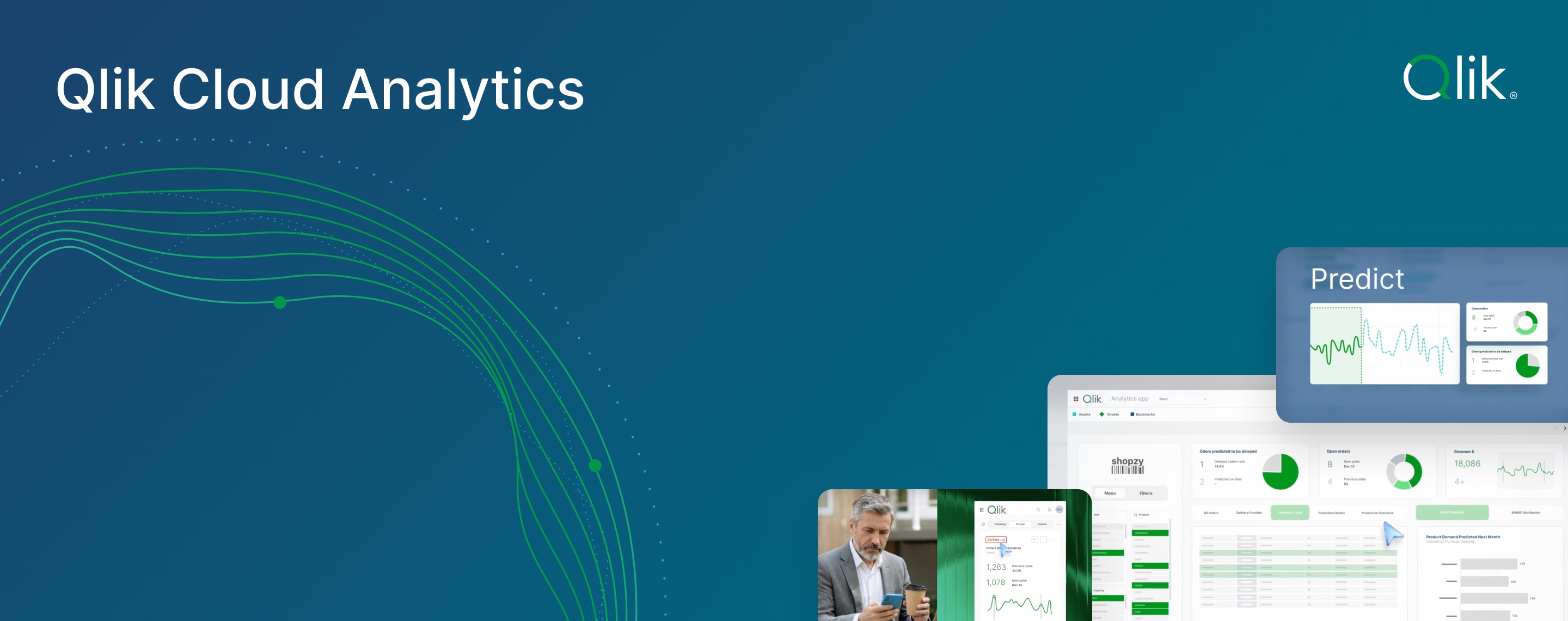
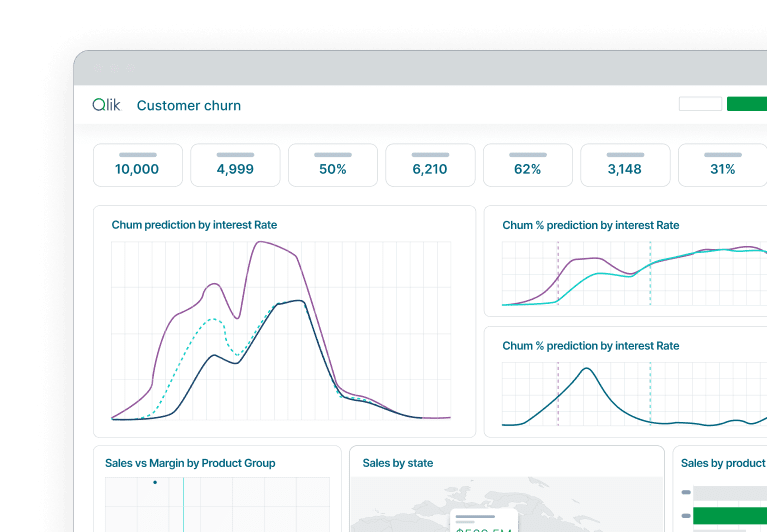
Predictive Analytics
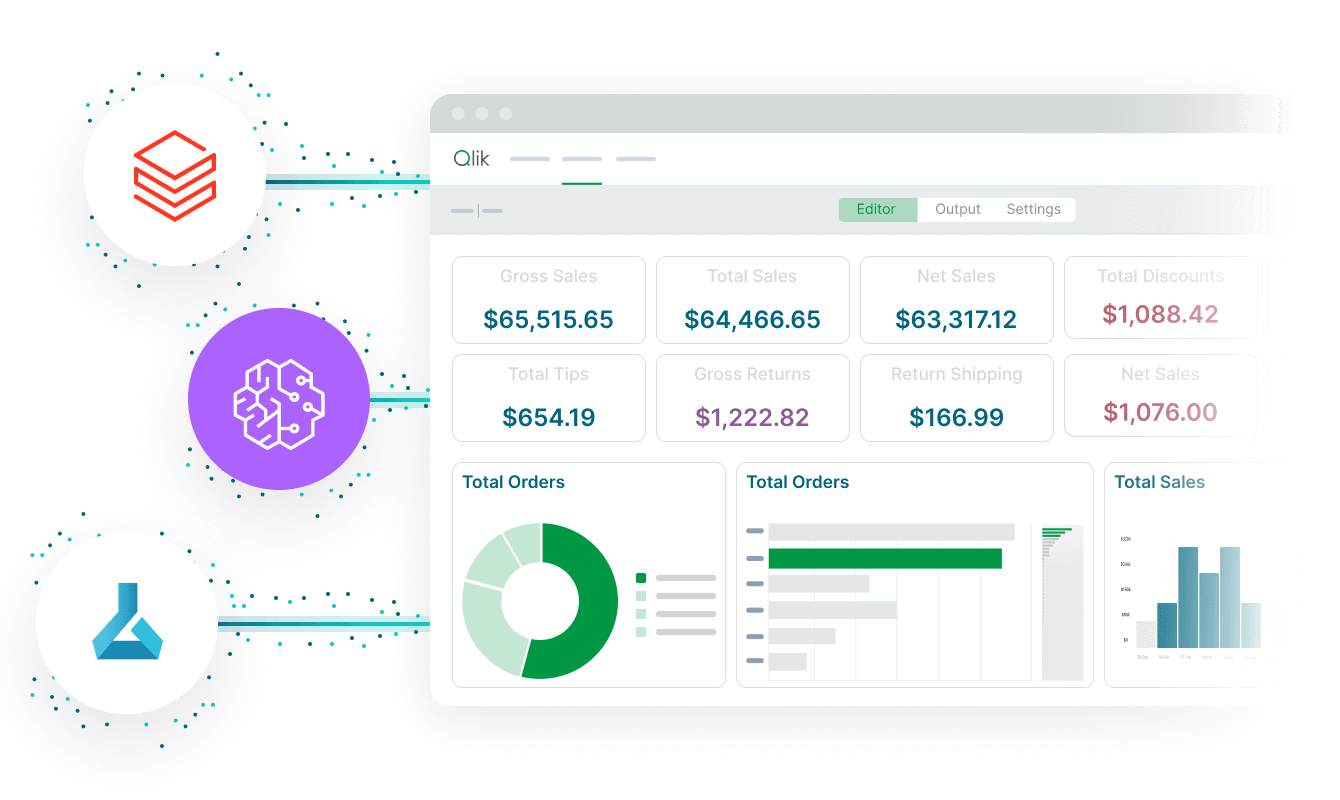
Advanced AI Integrations
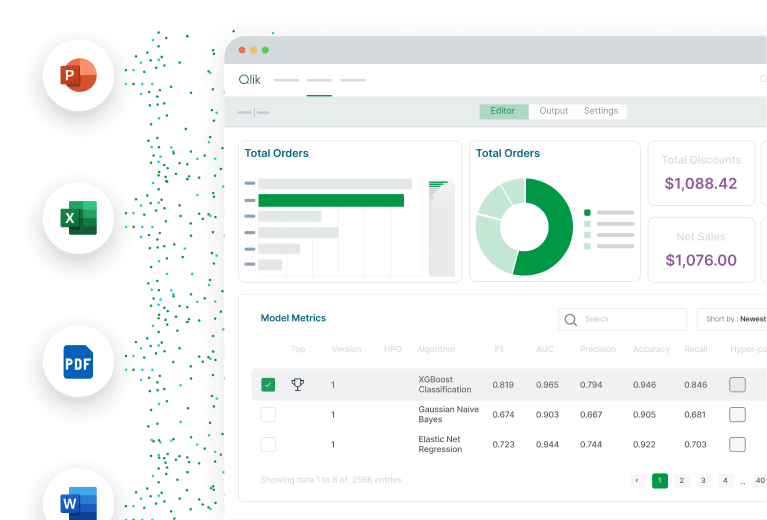
Report Distribution

Monitoring & Alerting
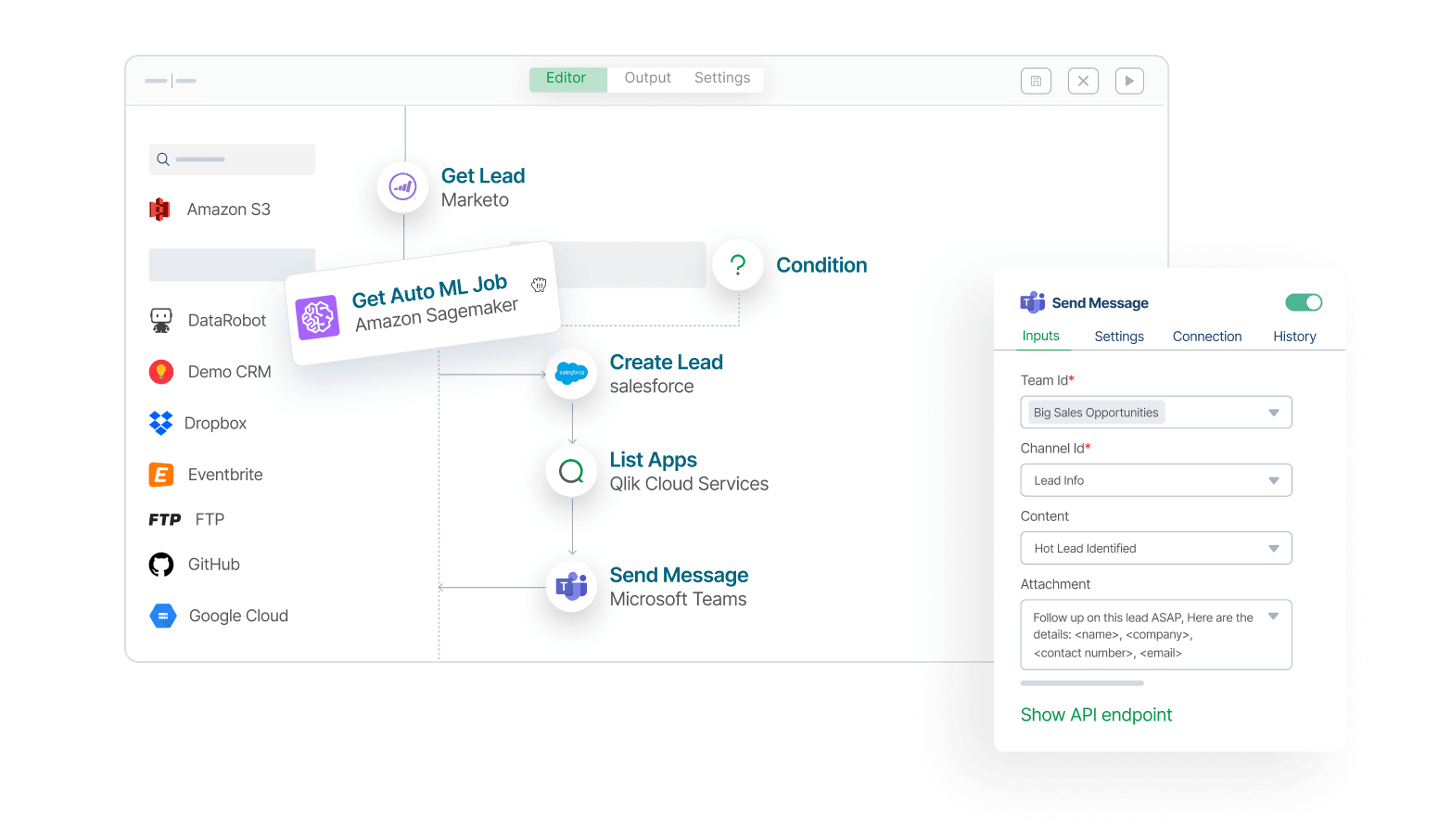
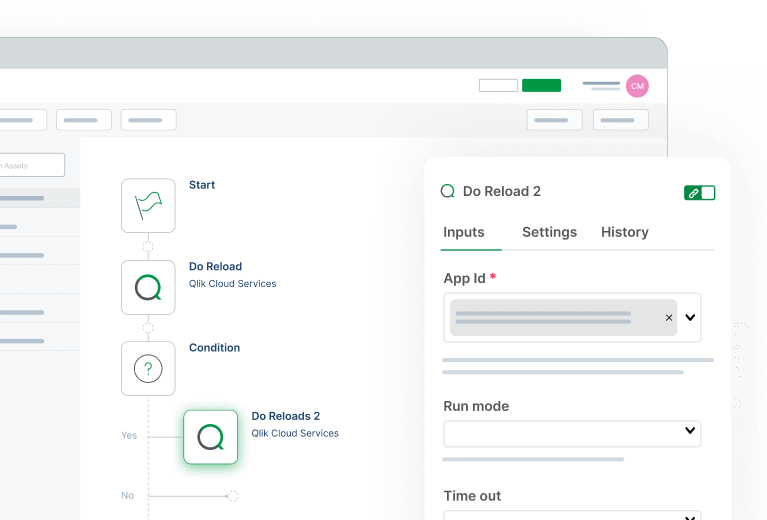
Automation & Orchestration

No-Code Data Prep

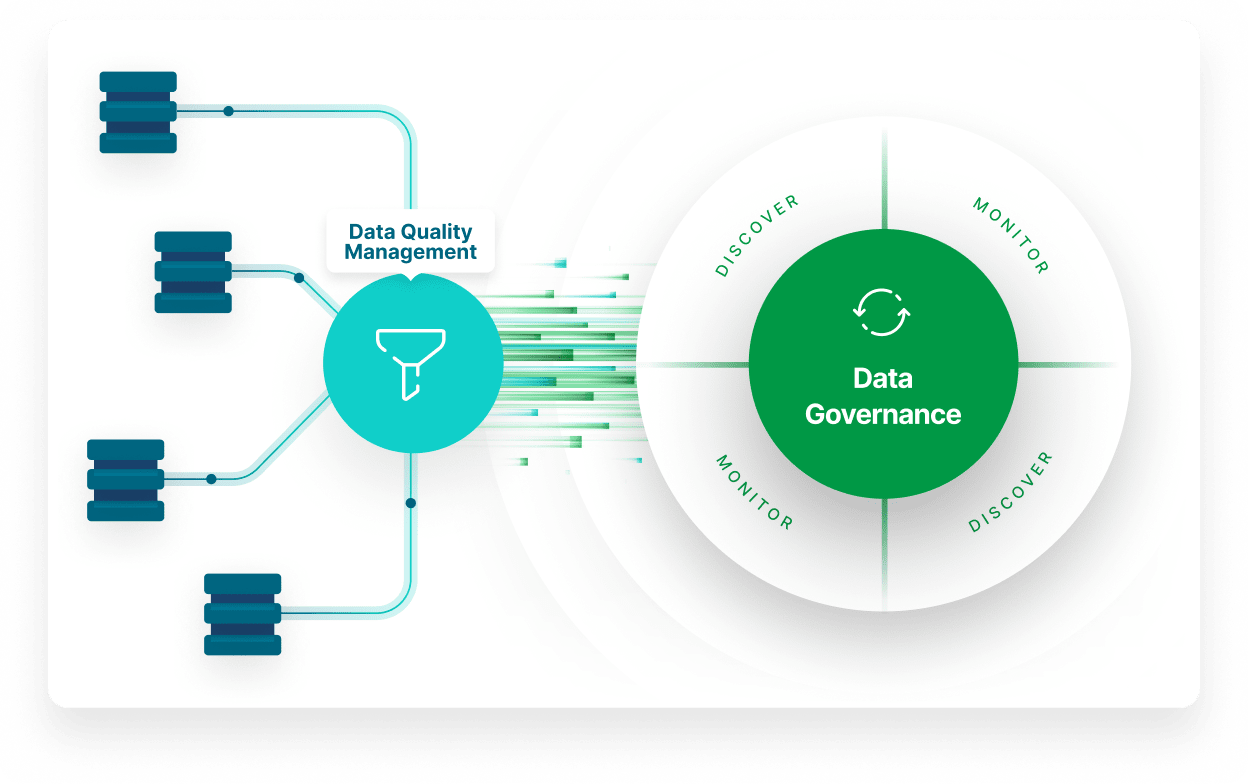
Built-In Data Quality
Deliver rich insight and powerful action

75% of the Fortune 500® use Qlik*
Award-winning innovation
Recognized by leading analysts and industry organizations for data, analytics, and AI.
Realize unprecedented time to value
Qlik Cloud Analytics delivers the foundation for modern enterprises – enabling productivity, scalability, and AI-driven insights at every level.


Agentic Framework
Monitor your data and take action, automate tasks and workflows, and embed analytics into popular AI assistants and applications.
Learn More

One-of-a-kind Qlik Analytics Engine
Deliver fast contextual analytical calculations from all your data, supporting user exploration and agentic reasoning at scale.
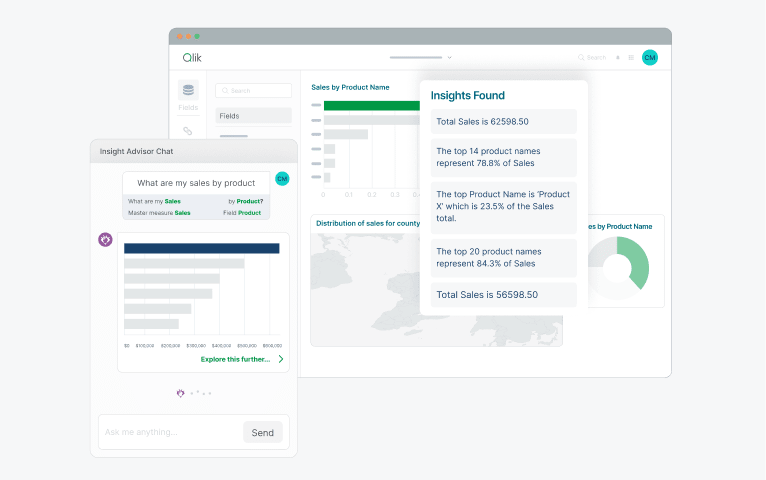

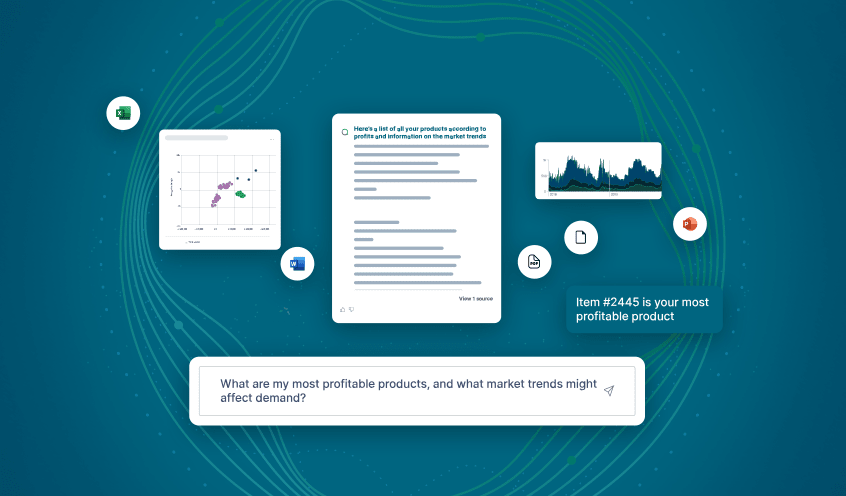
Natural Language Assistant
Empower business users with insight, assistance, and automation through an agentic experience that drives productivity.
Learn More

Embed Anywhere
Embed Agentic AI assistants directly into your applications and workflows, bringing trusted, context-aware insights and actions to users exactly where work happens.
Learn More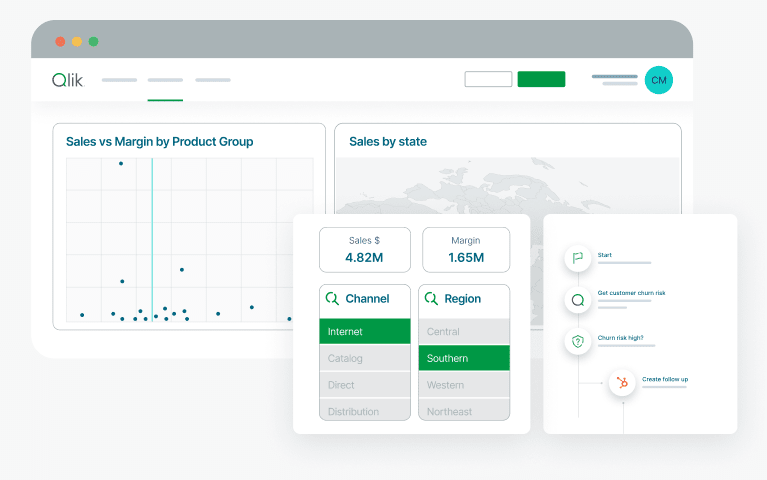

Productivity
Empower teams to explore data freely, uncover insights instantly, and move from analysis to action without friction.
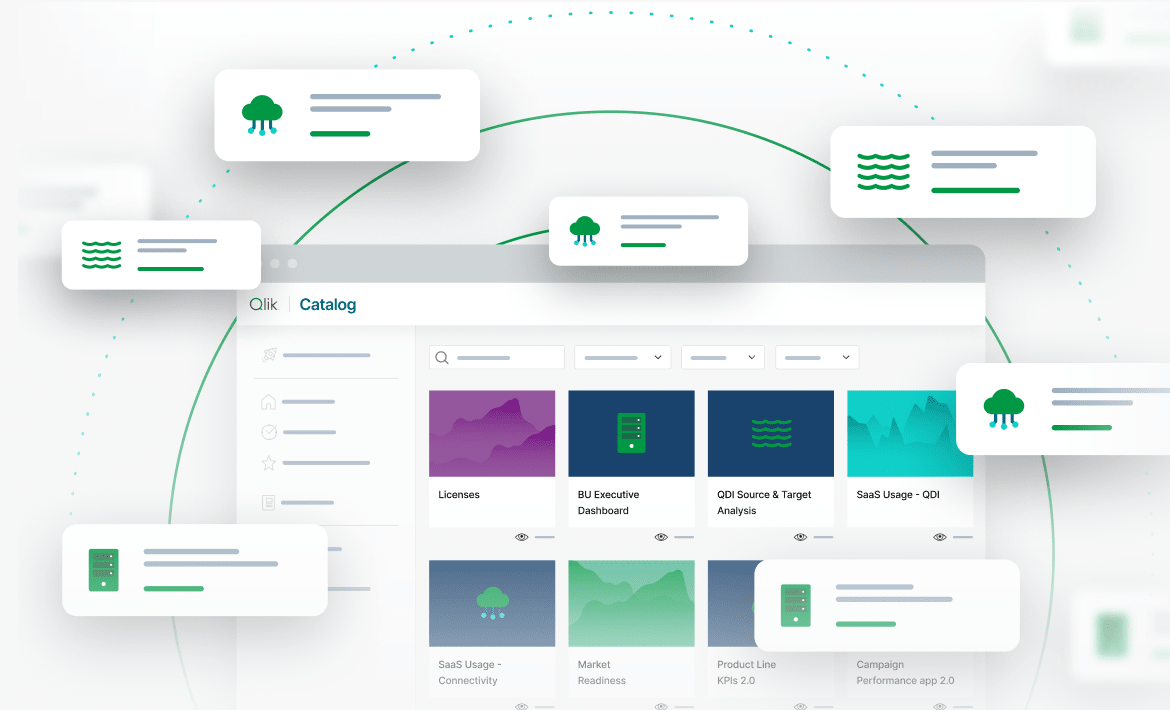
Unlock Cloud Intelligence with Qlik
Move your analytics to Qlik Cloud and unlock faster, smarter insights with built-in automation and AI. Experience seamless migration, lower costs, and always-on innovation powered by Qlik.
Unlock the power of your trusted data with speed and cost efficiency
From executives to analysists, every team gets the insights they need, powered by AI, scale, and governance.

Give AI the broadest access to your data from across your organization through high-quality curated datasets, available in real time.

Our unique analytics engine unlocks the power of your data with context awareness that supports multi-step “chain of thought” reasoning for both users and AI agents.
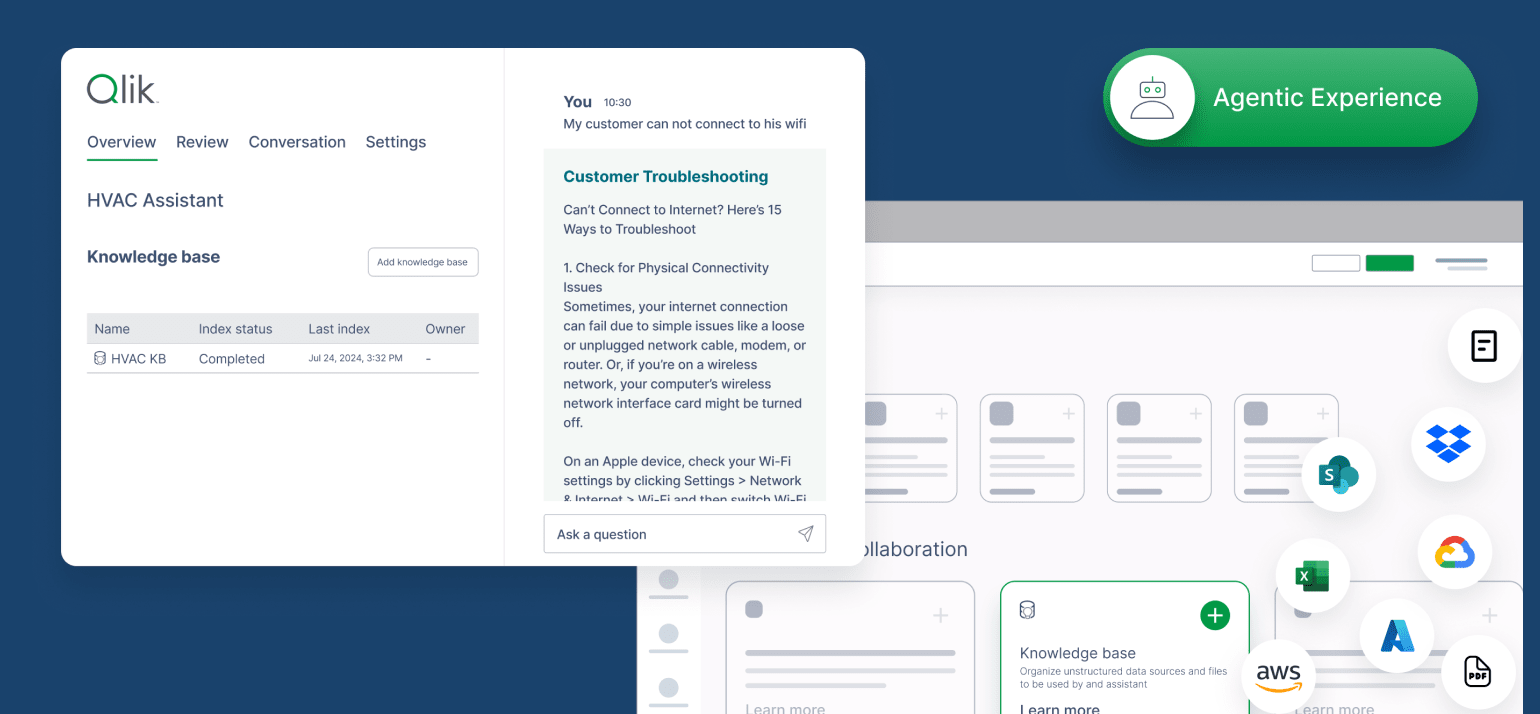
Get deep, contextually relevant answers to open-ended and speculative questions through unique agentic reasoning. Allow purpose-built AI agents to do the heavy lifting.
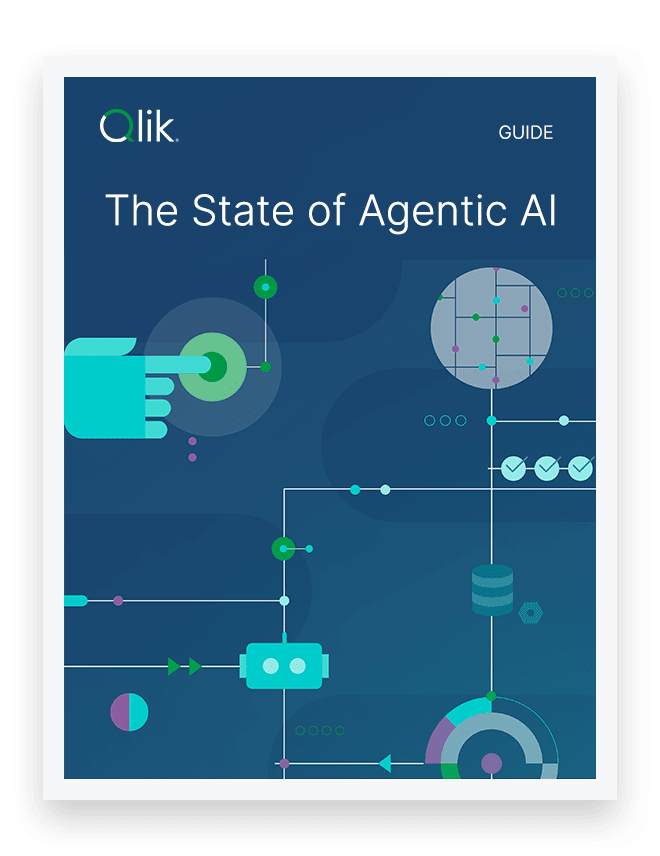
THE STATE OF AGENTIC
The State of Agentic AI is Here
79% of enterprise leaders say agentic AI is critical to their strategy, yet only 18% have fully deployed it. Find out what's standing in the way (and how to fix it).

Put Qlik analytics to work for you






Frequently Asked Questions (FAQs)
Business intelligence (BI) is the set of technologies, processes, and practices used to collect, integrate, analyze, and present business data for decision-making. It turns raw data into reports, dashboards, and key performance indicators (KPIs) that show what's happening across the business. BI has traditionally focused on descriptive analysis: summarizing historical and current data to monitor performance.
Data analytics is the practice of examining data to uncover patterns, draw conclusions, and support decisions. It spans a range of techniques, from simple summary statistics to advanced methods like data mining, statistical modeling, and machine learning. The goal is to turn data into insights that explain past events, reveal relationships, and point to what to do next.
Business intelligence generally focuses on descriptive and diagnostic analysis: reporting what happened and why, through dashboards and KPIs that monitor the business. Data analytics is a broader field that also includes predictive and prescriptive techniques, using advanced statistics and machine learning to forecast outcomes and recommend actions. In practice, BI is often considered an applied subset of analytics, oriented toward operational reporting and monitoring.
The four types are descriptive analytics (what happened), diagnostic analytics (why it happened), predictive analytics (what's likely to happen), and prescriptive analytics (what action to take). They build on one another, generally rising in complexity and business value from descriptive to prescriptive. Most organizations use a mix, starting with descriptive reporting and adding predictive and prescriptive capabilities over time.
Predictive analytics uses historical and current data, along with statistical modeling and machine learning, to forecast future outcomes and probabilities. Common uses include predicting customer churn, forecasting demand, estimating risk, and anticipating equipment failures. Rather than stating certainties, it produces likelihoods that help organizations prepare for what may happen next.
Data visualization is the graphical representation of data using visual elements like charts, graphs, and maps. It makes patterns, trends, and outliers far easier to see and understand than raw numbers in a table. Good visualization helps people interpret complex datasets quickly and communicate findings clearly.
A data dashboard is a visual display that pulls key metrics, KPIs, and charts onto a single screen for at-a-glance monitoring. Dashboards are often interactive and updated regularly, letting users filter, drill down, and explore the underlying data. They give teams a unified, real-time view of performance, so they can spot issues and opportunities quickly.
Self-service analytics lets business users access, explore, and analyze data and build their own reports and visualizations with little reliance on IT or data specialists. It uses intuitive, often no-code tools, so people can answer their own questions directly. This cuts bottlenecks, speeds up decisions, and widens data access across an organization.
Augmented analytics uses artificial intelligence and machine learning to automate and assist parts of the analytics process (data preparation, insight generation, pattern discovery, and natural-language interaction). It acts as a co-pilot, helping human analysts find and explain insights faster while keeping a person at the center of the workflow. Gartner popularized the term, and it's been a dominant category framing in analytics in recent years.
Agentic analytics uses autonomous AI agents that can reason over data, generate insights, and recommend or take actions with limited human intervention, all within defined governance boundaries. It's a step beyond augmented analytics: where augmented analytics assists a human at each step, agentic analytics can manage multi-step workflows end to end. These systems typically combine large language models, reasoning frameworks, and tool-use capabilities to move analytics from reactive reporting toward proactive, automated decision-making.
Embedded analytics puts analytics capabilities (dashboards, reports, and visualizations) directly into other business applications and workflows. Instead of switching to a separate BI tool, users see relevant insights in the context of the software they already use, like a CRM or a support system. That makes data-driven decisions more immediate and accessible, right where the work happens.
Anomaly detection is the process of spotting data points, events, or patterns that deviate significantly from expected or normal behavior. It flags issues like fraud, security threats, equipment faults, data-quality errors, and unusual shifts in business metrics. It's often automated with statistical methods or machine learning, which can monitor data continuously and alert users to changes worth investigating.
Data literacy is the ability to read, understand, interpret, work with, and communicate using data. It covers skills like reading charts correctly, questioning data sources, drawing sound conclusions, and explaining findings to others. As organizations become more data-driven, broad data literacy helps people in every role make confident, evidence-based decisions.
Customers making data work for AI