AUTOMATED DATA INGESTION
Enterprise Data Capture Tools
Ingest and replicate data from anywhere. Qlik® data capture tools deliver secure, high-speed data movement to fuel your modern analytics and AI platforms.
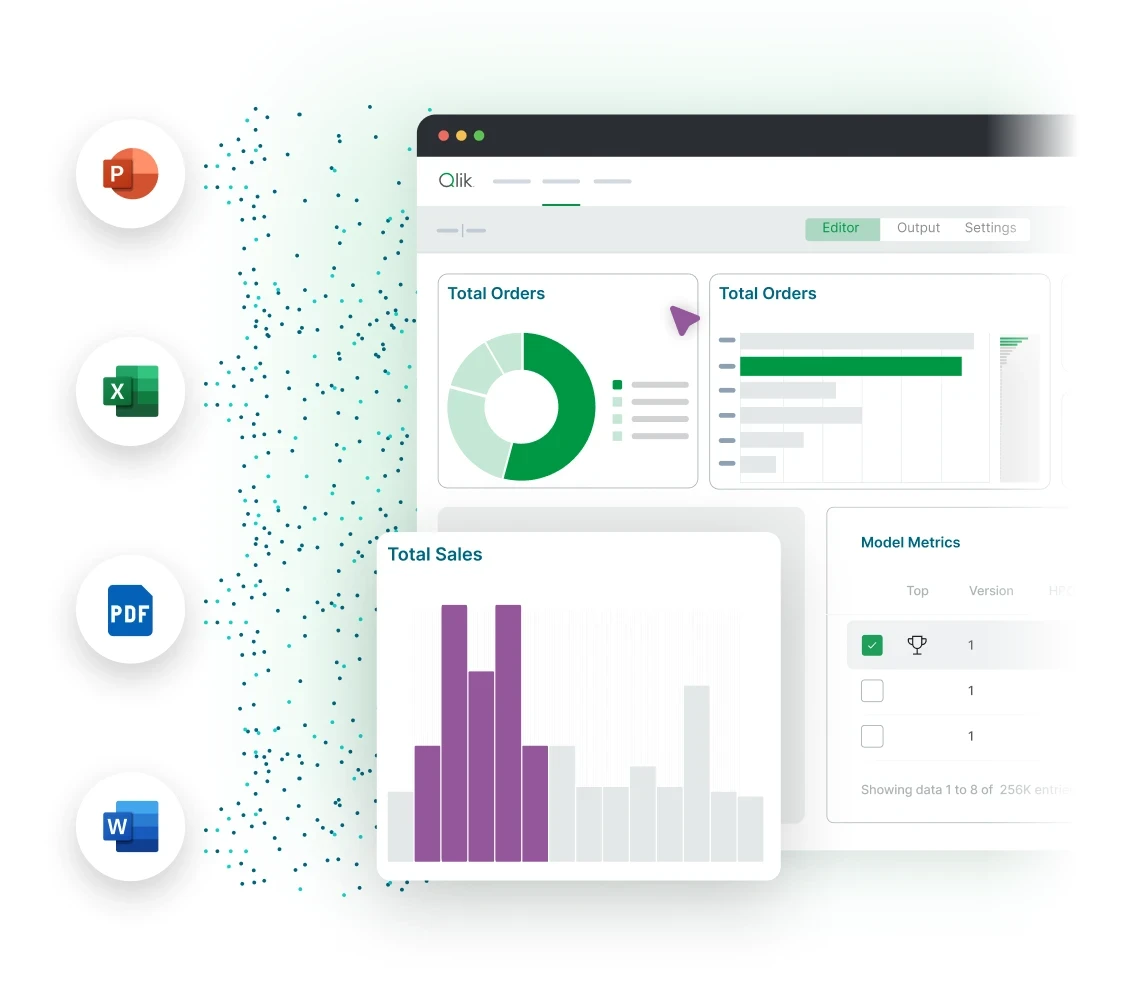
Accelerate time-to-insight with automated data capture
Qlik replaces fragile manual extraction scripts with robust, automated data capture, ensuring your analytics environments are always fueled with fresh data.

Eliminate manual scripting
Automate data extraction from complex legacy systems and modern applications without writing or maintaining custom code.

Deliver real-time data
Utilize low-impact capture methods to feed your cloud data warehouses and data lakes continuously.

Scale effortlessly
Handle massive transaction volumes across diverse enterprise architectures with zero performance degradation on source systems.
How Qlik's data capture works
Step 1 - Connect to a vast ecosystem of enterprise data sources, including relational databases, legacy mainframes, SAP systems, and modern SaaS applications.
Step 2 - Capture raw data instantly using log-based change data capture or optimized API extraction, minimizing the footprint on your operational systems.
Step 3 - Deliver and synchronize data continuously to your target cloud environment, applying formatting to ensure it is immediately ready for downstream analytics.

Why choose Qlik for enterprise data capture?
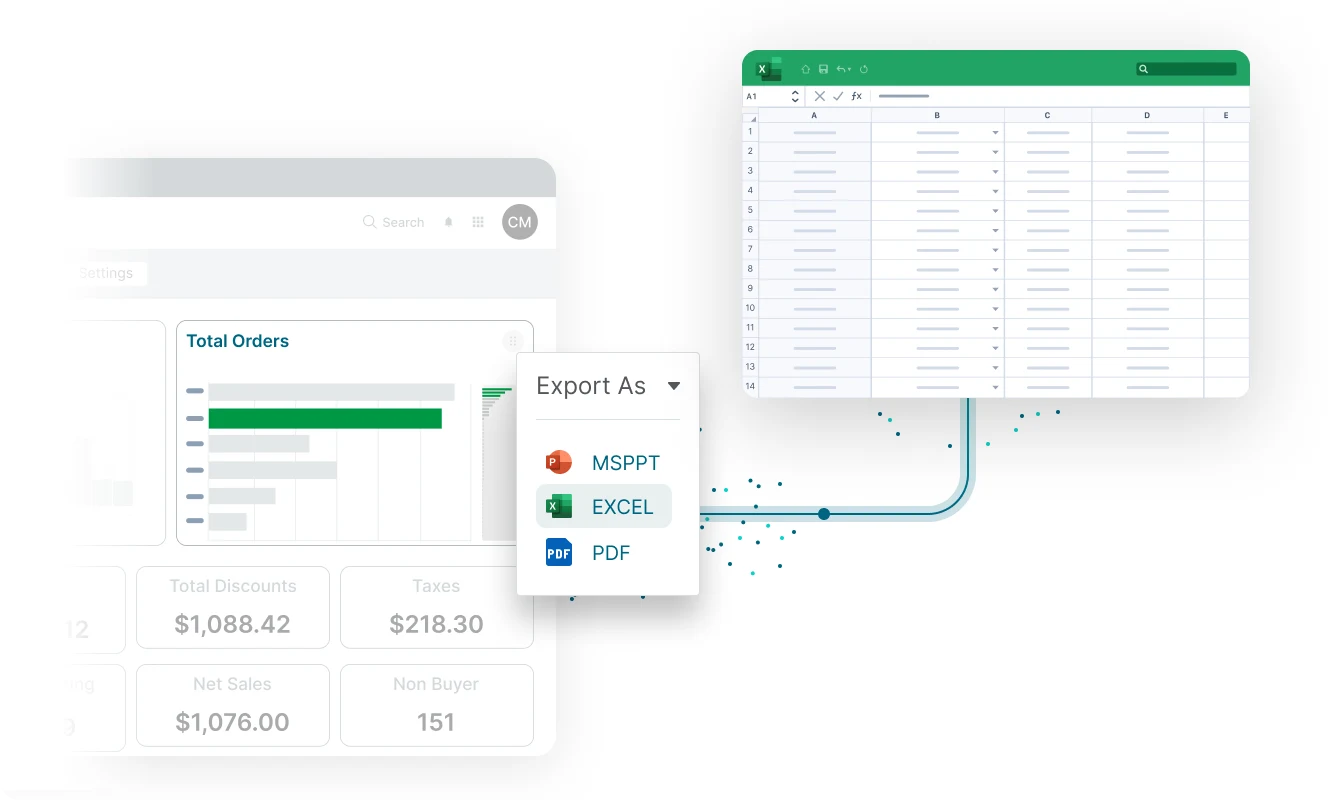
Break down enterprise data silos
Stop struggling with proprietary systems. Qlik provides out-of-the-box connectors for almost every major database, mainframe, and enterprise application on the market.

Protect core system performance
Traditional polling queries bring production databases to a halt. Our log-based Change Data Capture (CDC) reads transactions invisibly, keeping your critical operations running fast.

Deliver analytics-ready data
Don't just dump raw data into a data lake. Qlik automatically maps and formats captured data to match the native structure of your target cloud warehouse.
Key features of Qlik's data capture solution

SAP integration
Decode notoriously complex SAP application data and stream it effortlessly to modern cloud analytics platforms.

Mainframe modernization
Unlock valuable legacy data trapped in IBM DB2, IMS, and VSAM without disrupting critical mainframe workloads.

Automated schema evolution
Automatically detect structural changes at the source and safely propagate them to the target without breaking pipelines.

High-speed throughput
Move terabytes of data quickly using parallel processing and highly optimized network compression.

Enterprise-grade security
Protect your data in transit with end-to-end encryption and robust compliance controls.

Centralized orchestration
Manage, monitor, and scale all of your enterprise data capture Qlik pipelines from a single, unified web interface.
Data capture tool FAQs
A data capture tool is software designed to automatically extract data from various source systems—such as databases, applications, or mainframes—and move it to a central repository like a cloud data warehouse for analysis, reporting, or storage.
Batch extraction moves large chunks of data on a set schedule (e.g., nightly), which can slow down systems and delay insights. CDC continuously extracts only the data that has changed since the last sync, providing real-time updates with a much smaller system footprint.
Yes. Qlik specializes in highly complex enterprise environments, offering native support and efficient data capture for legacy mainframes, SAP systems, and traditional RDBMS, alongside modern cloud sources.
Connect to 500+ data sources with Qlik’s analytics integrations

SAP

Adobe

IBM

AWS

MySQL

Jira

Azure

MS SQL

Apache

Mongo DB
SAP
Adobe
IBM
AWS
MySQL
Jira
Azure
MS SQL
Apache
Mongo DB
SAP
Adobe
IBM
AWS
MySQL
Jira
Azure
MS SQL
Apache
Mongo DB
SAP
Adobe
IBM
AWS
MySQL
Jira
Azure
MS SQL
Apache
Mongo DB
SAP
Adobe
IBM
AWS
MySQL
Jira
Azure
MS SQL
Apache
Mongo DB

Oracle

Salesforce

Workday

Apache Iceberg

CircleCI

Zendesk

Snowflake

Databricks


OpenAI

Intuit
Oracle
Salesforce
Workday
Apache Iceberg
CircleCI
Zendesk
Snowflake
Databricks
OpenAI
Intuit
Oracle
Salesforce
Workday
Apache Iceberg
CircleCI
Zendesk
Snowflake
Databricks
OpenAI
Intuit
Oracle
Salesforce
Workday
Apache Iceberg
CircleCI
Zendesk
Snowflake
Databricks
OpenAI
Intuit
Oracle
Salesforce
Workday
Apache Iceberg
CircleCI
Zendesk
Snowflake
Databricks
OpenAI
Intuit


