AI
Driving AI Analytics Adoption: Change Management for the Agentic Era
Learn how to drive AI analytics adoption with a practical change management strategy for the agentic era, aligned to governance, trust, and enterprise scalability.

Why AI analytics adoption is a strategic priority in the agentic era
AI adoption is now a necessity for businesses that want to stay competitive. Modern organizations manage vast amounts of business data every day. AI strategy helps these companies process information faster than human teams can alone. This shift improves operational efficiency and supports long-term revenue growth.
Organizations use AI initiatives to automate repetitive tasks and routine processes. This focus allows employees to work on higher-value projects. Strategic AI adoption leads to a measurable impact on business performance. It is a core part of digital transformation for many companies.
Understanding the shift from traditional BI to agentic analytics
Traditional data analysis often relies on static reports. Agentic analytics moves beyond these old methods. AI agents can work within existing systems to find answers without constant human help. This change marks a new stage in AI maturity for the organization.
Key barriers to AI analytics adoption across enterprise teams
Many organizations face hurdles when they adopt AI technologies. More than half of companies report issues with data quality or lack of AI skills. Employees may worry about how AI implementation will affect their daily work.
Poor data governance and weak data strategy also slow down progress. Without quality data, AI models cannot produce reliable results. These barriers can prevent successful AI adoption across different departments.
The role of change management in successful AI analytics adoption
Change management is essential for any AI adoption strategy. It helps the organization transition from old habits to new technology. A clear strategy makes sure that everyone understands how to use AI tools effectively.
Successful AI adoption depends on clear communication from the C-suite. Leaders must explain how AI solutions will improve business operations. This understanding helps break down resistance and encourages teams to apply AI in their daily tasks.
Building a strong data foundation to enable AI analytics adoption
A strong data foundation is the first step in any AI implementation. Quality data allows AI systems to provide accurate data analysis. You must establish responsible AI principles to manage business data safely.
Data management and data governance create the rules for AI use. This includes protecting data privacy and managing how data continues to flow through the company. A solid data strategy helps data scientists build better AI models.
A step-by-step AI analytics adoption strategy for enterprises
Follow a clear plan to accelerate AI adoption.
Start by identifying specific AI use cases that offer quick wins.
Create a roadmap that aligns with your business goals.
Provide training and resources to help staff build AI skills.
Scale the technology across the organization once you see results.
This adoption strategy helps mitigate risks and produces a measurable impact early. Focusing on small examples first builds trust in the new AI solutions.
Aligning stakeholders: CFOs, CIOs, and business leaders in the adoption journey
Strategic AI requires alignment across the entire leadership team. CFOs look for revenue growth and cost savings from AI initiatives. CIOs focus on AI infrastructure and data security.
Business leaders must work together to create a unified AI strategy. This coordination helps the company manage resources for AI development. When stakeholders agree on the strategy, the AI transformation moves faster.
Embedding AI analytics into daily decision-making workflows
AI capabilities should be part of every department's daily work. Integrating AI into existing workflows helps staff make better decisions. AI tools can surface data insights while people are already working.
Self-service analytics allow business users to explore data without technical help. This increases the speed of data analysis across business functions. AI-powered software makes it easier to act on information as it arrives.
Overcoming resistance to AI and driving cultural transformation
Cultural transformation is often the hardest part of adopting AI. People may resist using new tools if they do not see the business value. Training helps employees understand that AI agents are there to help them.
Focus on how AI technologies can remove the burden of repetitive tasks. This allows staff to focus on creative problem solving. A positive culture around AI use helps the organization stay competitive.
Measuring adoption success: KPIs for AI analytics maturity
You must track key metrics to measure the success of your AI adoption strategy.
Monitor usage rates for new AI solutions.
Track the reduction in time spent on routine processes.
Measure the impact on customer experience and revenue growth.
These KPIs show the real business value of your AI implementation. They help the organization understand its level of AI maturity.
Scaling AI analytics adoption across departments and regions
Scaling AI requires a flexible cloud architecture and strong governance. AI solutions should work consistently across different regions and departments. This makes sure that the entire company benefits from the technology.
Data strategy must adapt as the organization grows. Enterprise governance helps manage vast amounts of data in a unified way. Scaling success depends on having a repeatable plan for AI adoption.
How Qlik enables faster and trusted AI analytics adoption in the agentic era
Qlik provides a powerful AI Analytics Solution to support your strategy. The software simplifies the path from data analysis to action.
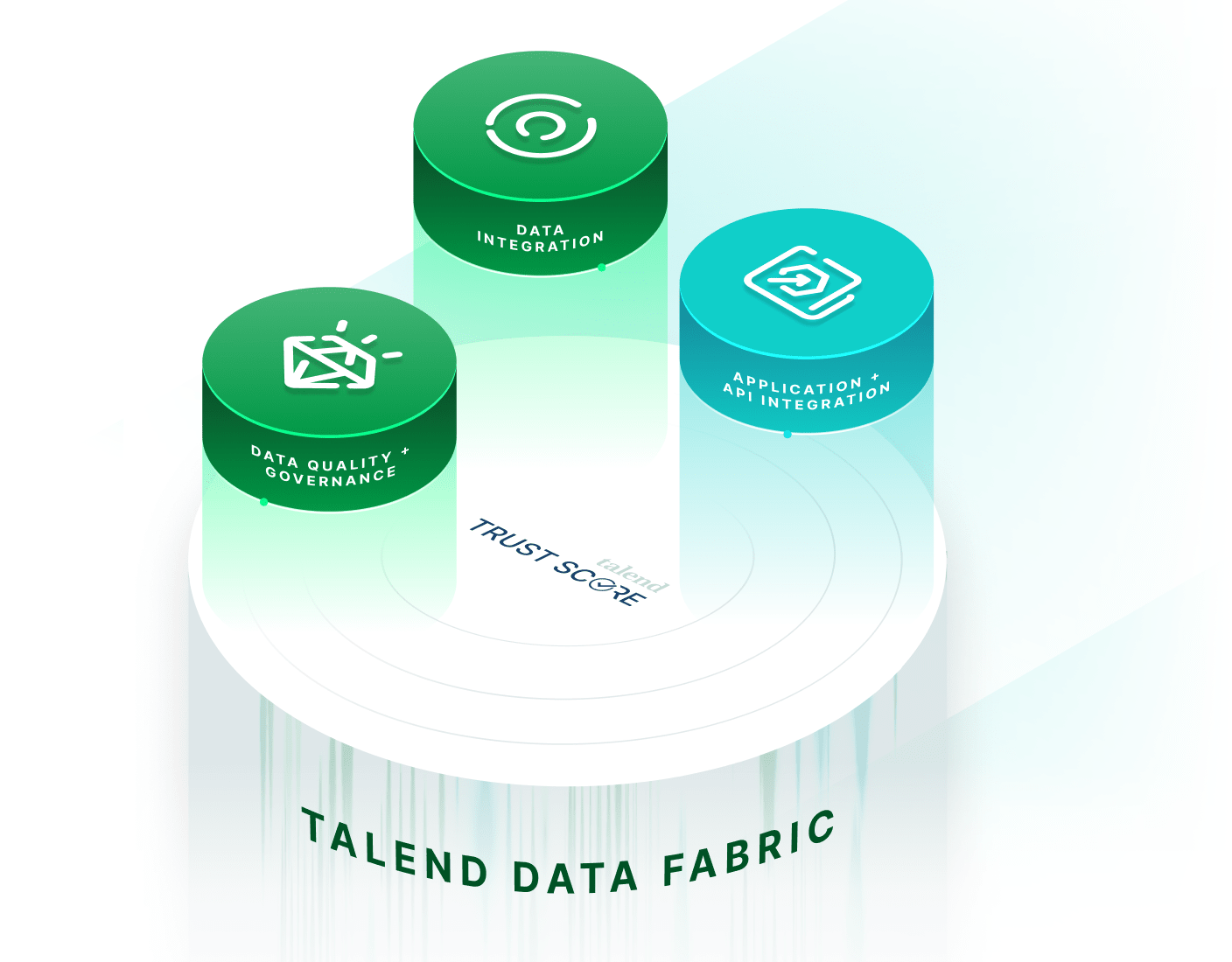
The system uses Qlik Talend Data Integration to create a strong data foundation. This makes sure that your AI models have access to high quality data. Qlik also helps you apply Agentic AI to build systems. This speeds up adoption and improves operational efficiency across the enterprise.
Best practices for sustaining long-term AI analytics adoption
Sustaining adoption requires ongoing training and support.
Continue to update your data management rules.
Gather feedback from business users to improve AI tools.
Stay aware of new AI technologies and generative AI trends.
Regularly reviewing your AI strategy helps you find new opportunities for growth. This keeps the organization focused on its long-term goals.
Conclusion: Accelerating enterprise transformation through agentic AI analytics adoption
AI analytics adoption is a journey that requires a clear plan. Focus on change management and data quality to see real results. This transformation will lead to better business operations and improved decision making.
Start your AI implementation today to build a smarter, more efficient company. The future of business data is agentic.
In this article:
AI